MUJI bets on 'anti-tourism' hospitality with new Kyoto hotel
MUJI opens an 18-room "anti-tourism" hotel steps from Kyoto's Kiyomizu-dera Temple, betting that slower, neighborhood-focused travel — not fewer visitors — is the fix for overtourism.
NEWS
7/13/20262 min read
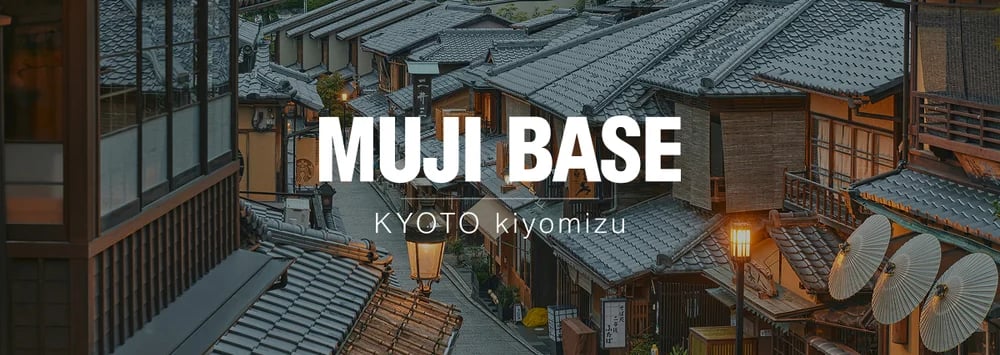
Kyoto has spent years searching for ways to ease the pressure of overtourism. MUJI's answer isn't keeping visitors away — it's getting them to travel differently. The Japanese retailer's newest hotel sits steps from one of the city's busiest landmarks, yet it's built around slowing guests down rather than speeding them through a sightseeing checklist.
MUJI has opened MUJI BASE KYOTO Kiyomizu, an 18-room boutique hotel in Kyoto's historic Higashiyama district, a short walk from Kiyomizu-dera Temple.
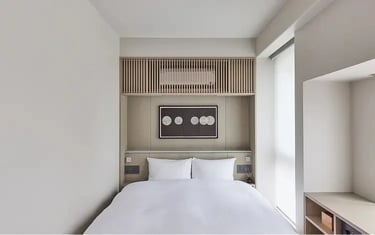
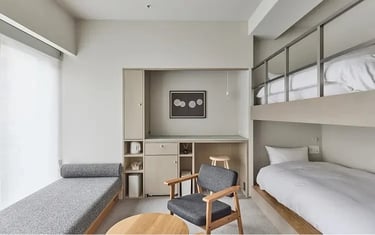
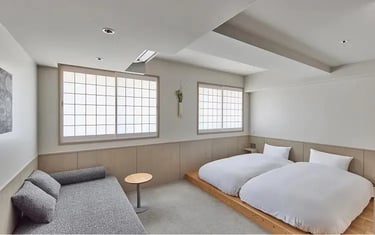
The property welcomed its first guests in May, converting the former Amenity Hotel Kyoto into a minimalist retreat while keeping the building's original exterior intact. About 90% of the furnishings and amenities come from MUJI's own product line, paired with work from Kyoto artisans that ties the space to the neighborhood's craft heritage.
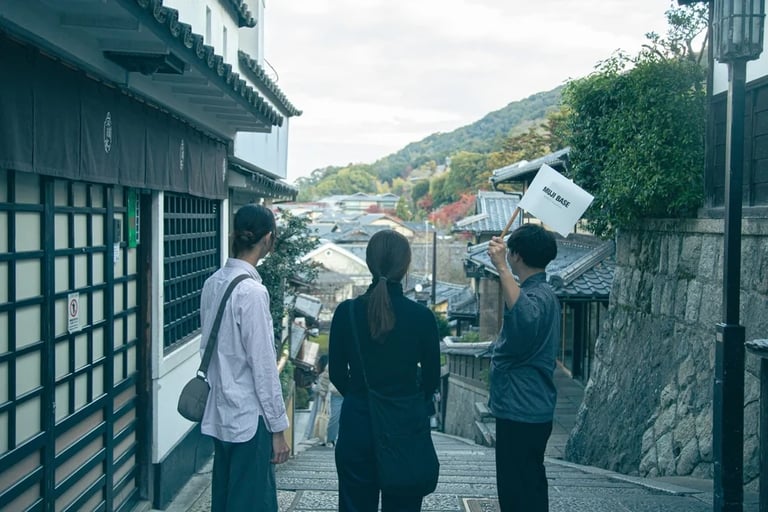
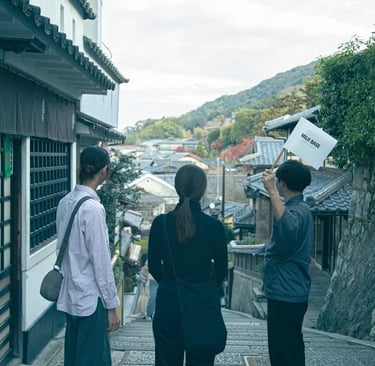
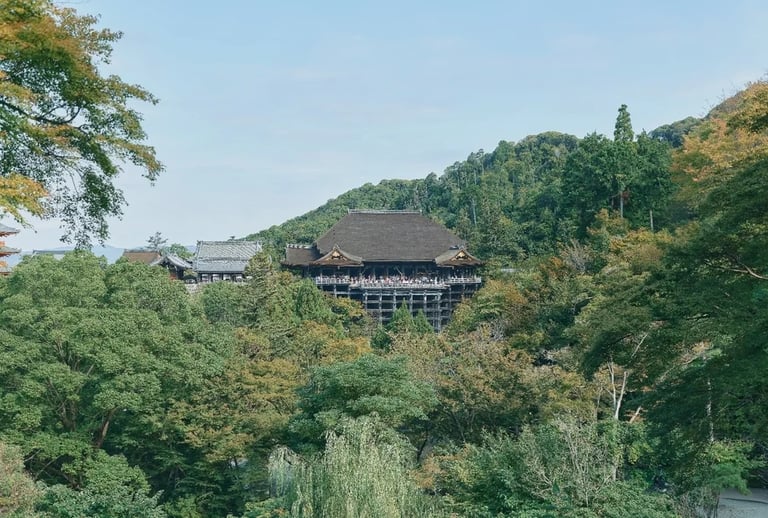
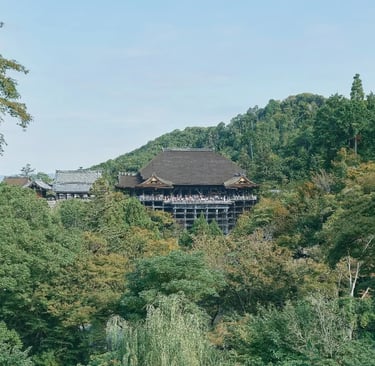
The hotel extends MUJI's BASE hospitality concept, built around adaptive reuse and regional immersion. Earlier BASE properties occupied renovated farmhouses and former schools in rural Japan; this one sits in one of the country's most visited tourist districts instead. MUJI calls it an "anti-tourism" hotel anyway, arguing that meaningful travel has less to do with where guests stay and more with how they engage with the community around them.
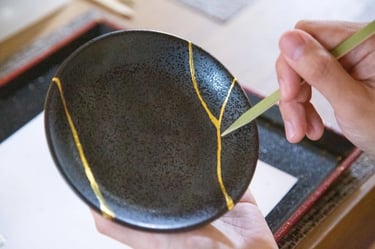
Rather than pushing guests toward landmarks, MUJI hands out an Outing Kit — a reusable water bottle, tote bag, neighborhood map, and a list of local experiences. Guests can try kintsugi pottery repair, browse traditional tofu shops, visit Rokuharamitsu-ji Temple, or join a guided 5:40 a.m. walk to Kiyomizu-dera ahead of the crowds. There's also rajio taisō, Japan's long-running morning radio calisthenics routine, followed by a Kyoto-style obanzai breakfast prepared by local coffee roaster Ogawa Coffee.


The launch lands as Kyoto continues to manage record tourism numbers. Higashiyama and Gion, among the city's most popular neighborhoods, have struggled with overcrowding, pushing officials toward higher accommodation taxes, tourist-only bus services, and campaigns steering visitors toward lesser-known areas. MUJI's approach has drawn its share of skepticism: opening a hotel within walking distance of Kiyomizu-dera is an odd way to argue against congestion, critics say, while others counter that encouraging slower, neighborhood-focused travel could ease the pressure created by day-trippers racing between famous sites.
For MUJI, the hotel is less a departure than an extension — the same design philosophy that's shaped its retail products for decades, applied to hospitality. The company frames the project as a celebration of "the beauty of the ordinary," using design and local experiences to pull visitors past Kyoto's postcard landmarks. Instead of chasing luxury, the property leans on simplicity, craftsmanship, and a stronger sense of place — a bet that could shape how MUJI expands its hospitality business in other crowded tourist cities.