New roads seen to curb insurgency, spur growth in Negros Oriental upland town
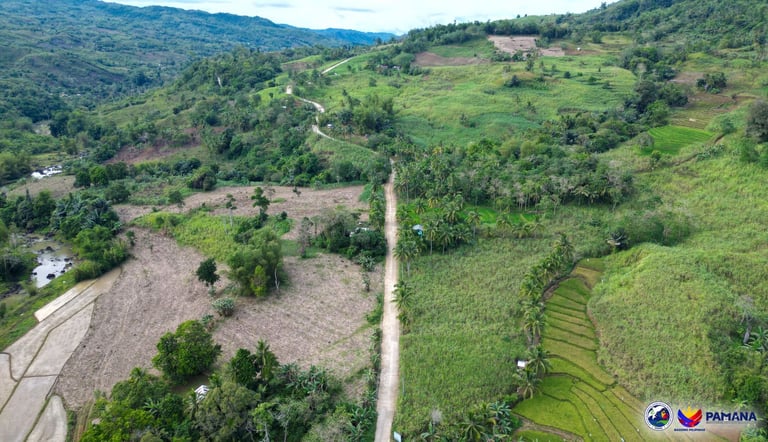
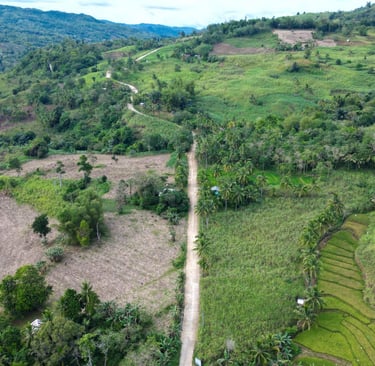
AYUNGON, NEGROS ORIENTAL — Once reachable only by habal-habal over rough, riverbed-like tracks, Ayungon’s upland barangays are now being linked by all-weather roads that promise safer travel and wider economic opportunities for residents
DISPATCH
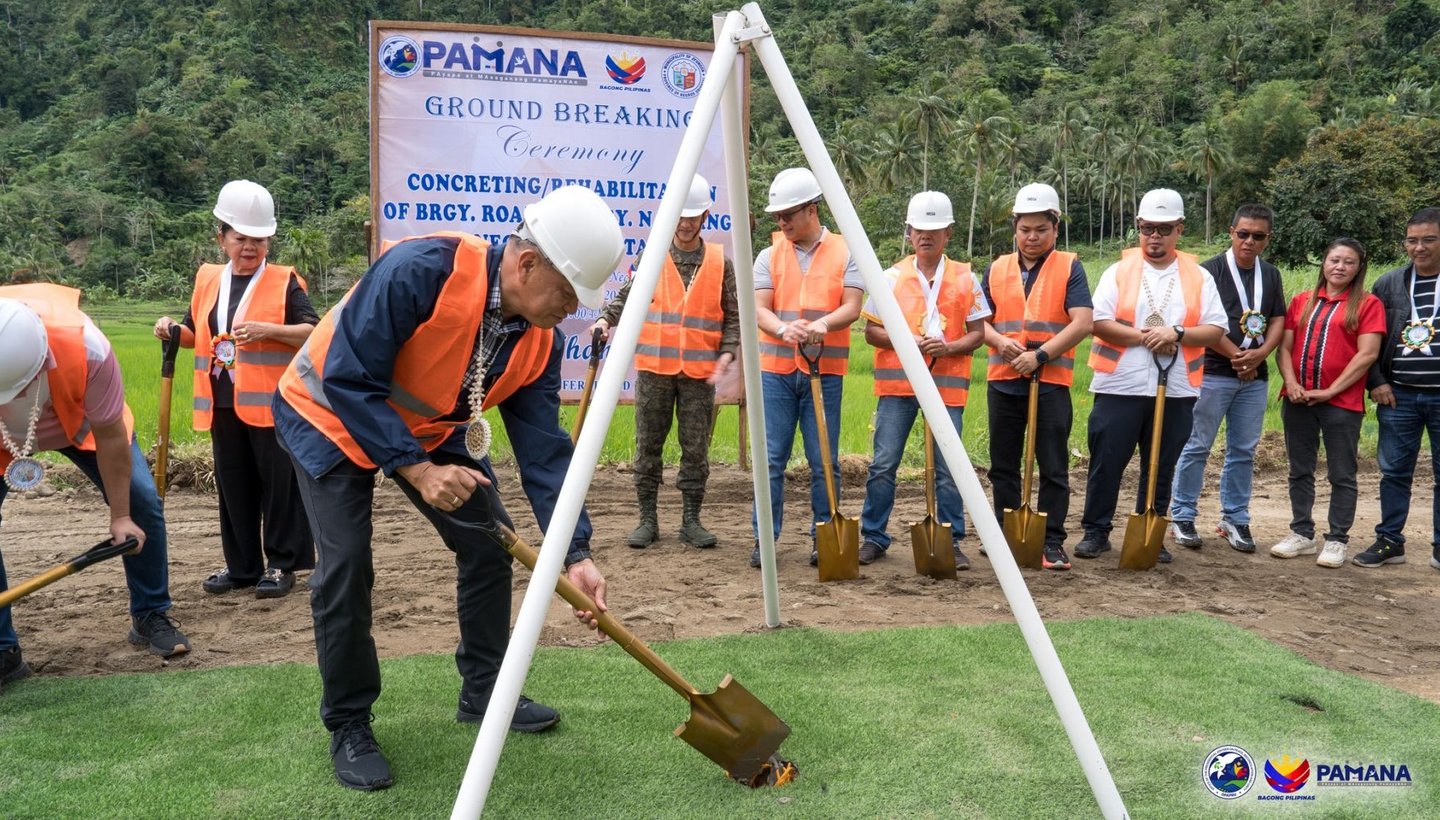
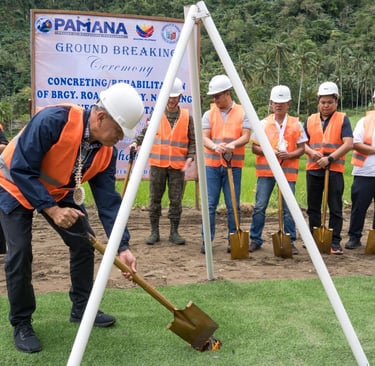
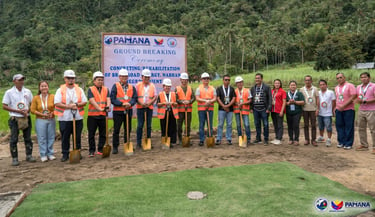
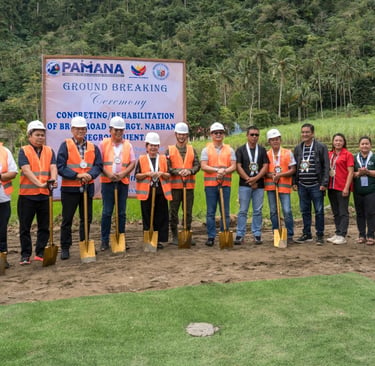
On 12 February, the Office of the Presidential Adviser on Peace, Reconciliation and Unity (OPAPRU) led the groundbreaking of the ₱40-million Barangay Nabhang Road and the turnover of the ₱50-million Mabinay-Ayungon Road (Phase 1), connecting Barangay Mabato to Barangay Carol-An under the PAyapa at MAsaganang PamayaNAn (PAMANA) Program. The activities marked both the completion of a key access road for Mabato and Carol-An and the start of another project intended to open up Nabhang to markets and basic services.
OPAPRU Executive Director Cesar De Mesa said the new roads are expected to function as “lifelines” for farmers bringing produce to market and as safer routes for children going to school. He commended the municipal government under Mayor Dennis N. Amancio for what he described as efficient and transparent implementation of the FY 2024 PAMANA road project, adding that Ayungon’s performance helped secure FY 2025 funding for the Nabhang road. De Mesa also reminded residents that while government finances the projects, communities are expected to help monitor and sustain them so benefits extend to the next generation.
Barangay Nabhang Chairman Ephraim Florencio thanked OPAPRU for prioritizing their community, saying the road was brought to the barangay to benefit all residents and ease their livelihoods, and that the groundbreaking signaled unity in pursuing local development.
De Mesa said OPAPRU’s Transformation Program is designed to address what the agency sees as root causes of communist insurgency by delivering roads, electricity, water, and health facilities to remote communities. He argued that when living conditions improve, people are less susceptible to recruitment by armed groups, which he linked to the decision of many former rebels to return to government.
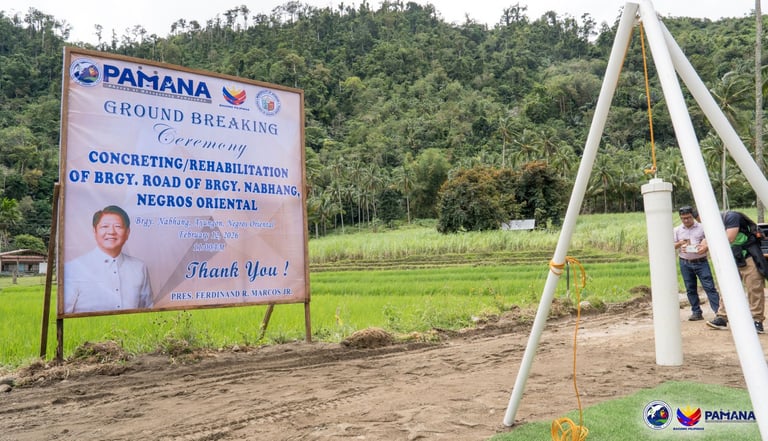
Brigadier General Jason V. Jumawan, Commander of the 302nd Infantry Brigade, 3rd Infantry Division, Philippine Army, based in Tanjay City, said poor infrastructure remains a major driver of socio-economic instability in far-flung areas. Drawing on his field experience, he noted that damaged roads hinder the entry of services, keep children from attending school, and delay ambulances during emergencies, leaving communities vulnerable — a situation he summarized with the line that insurgency begins where roads end.
The trip from the turnover site in Mabato and Carol-An to the Nabhang groundbreaking highlighted both long-standing neglect and recent gains, as officials and residents navigated the terrain that has constrained local growth for years. De Mesa said the difficult journey underscored the urgency of completing the project and protecting it once finished, and called for continued collaboration among the LGU, barangay officials, and residents to keep current and future projects in Ayungon inclusive, community-driven, and supportive of peace. |NL | Photos courtesy of OPAPRU
First published on Malaya Business Insight, Feb. 21, 2026