Nonwovens: Textiles beyond fashion that can reshape Philippine manufacturing
Philippine nonwovens made from banana, pineapple and bamboo fiber could replace plastic textiles in mattresses, cars and construction. DOST-PTRI leads the pivot — here's how it works and why it matters for Philippine manufacturing.
OP-ED
7/6/20262 min read
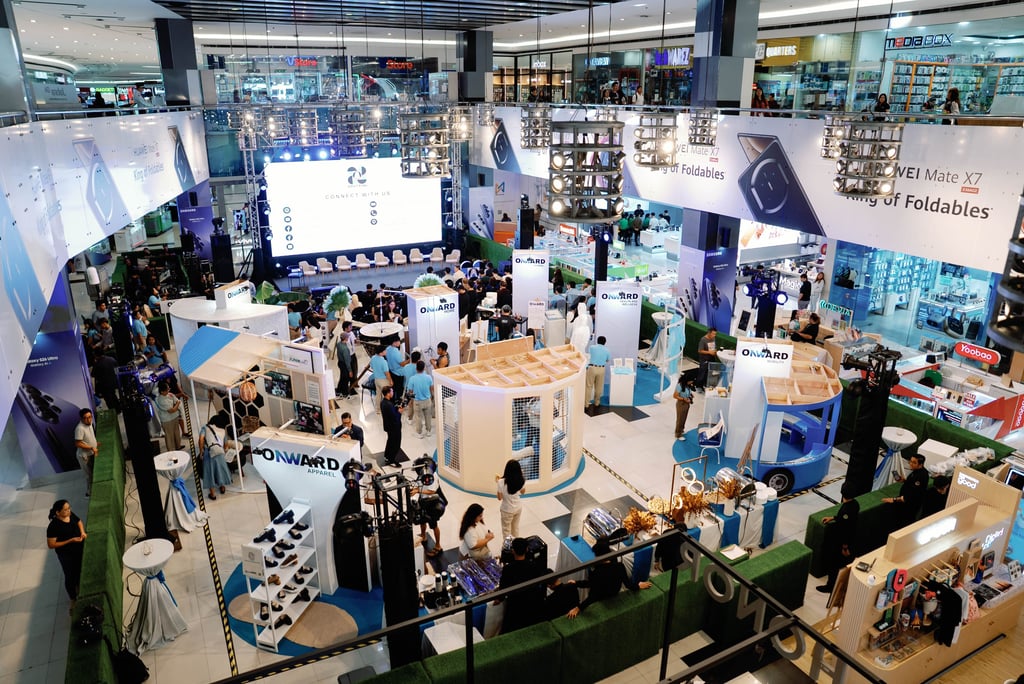
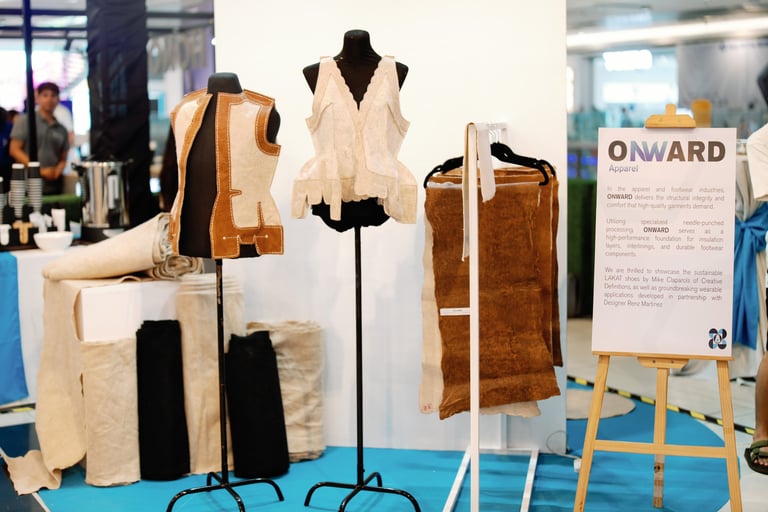
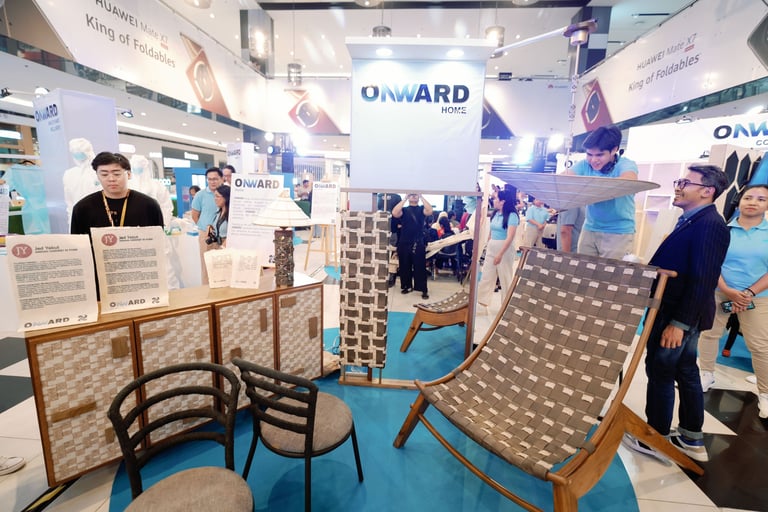
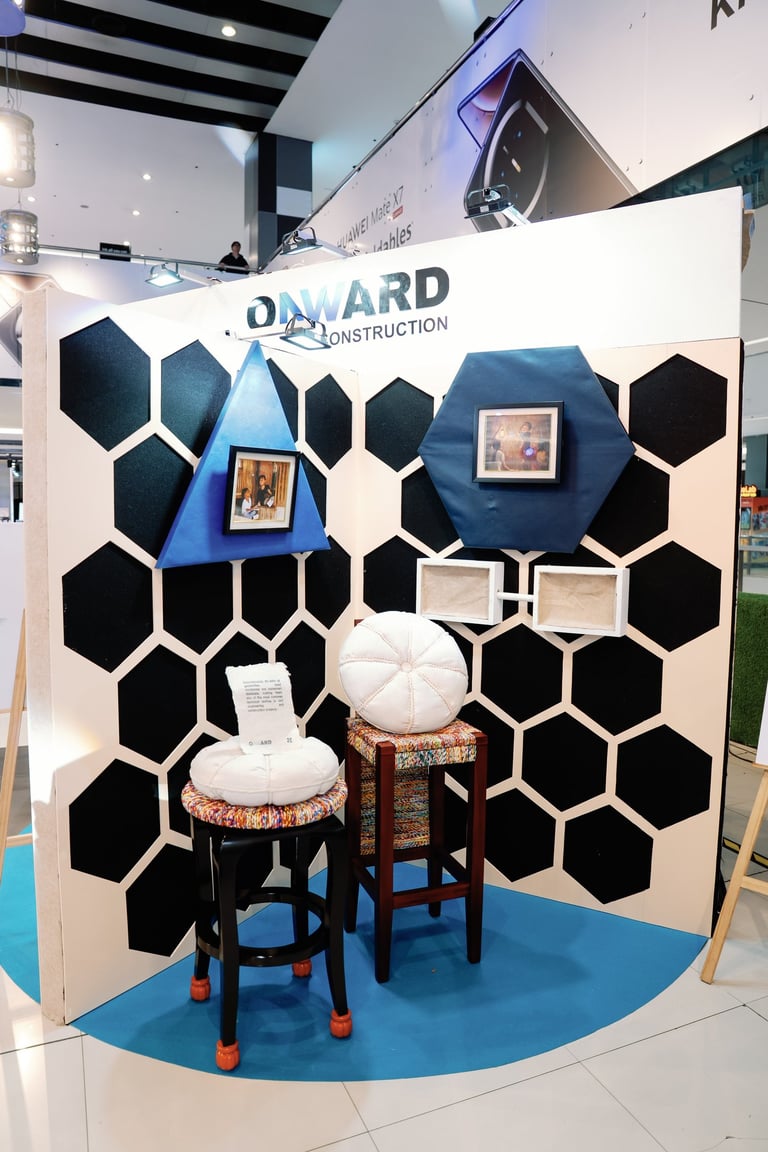
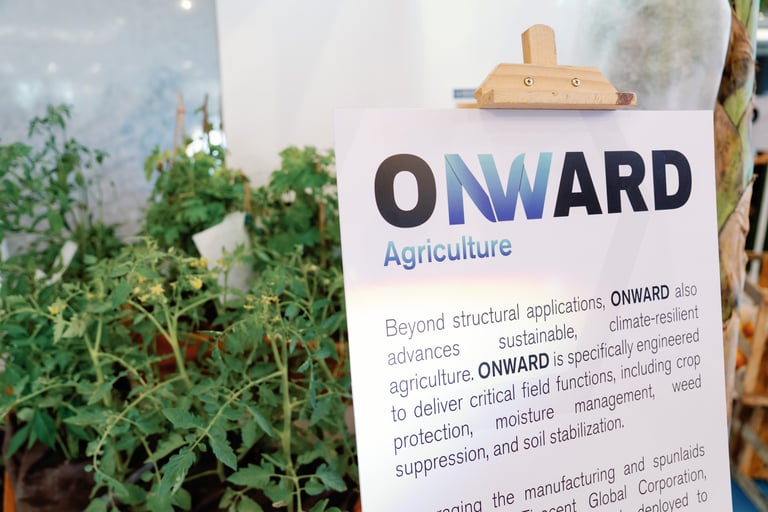
DOST-PTRI's ONWARD exhibit features the many applications of nonwoven textiles beyond fashion
The mask you wore during the pandemic. The layer under your mattress. The wipes in your kitchen drawer. Even parts inside your car. Nonwovens are everywhere, and in the Philippines, they could soon be made from banana stalks and pineapple leaves instead of imported plastic.
Unlike woven or knitted fabrics, nonwovens are built by bonding fibers directly — mechanically, thermally or chemically — which makes them fast to produce and adaptable to almost any use. Industry groups typically sort nonwovens by production method — airlaid, drylaid, wetlaid and spunlaid — with each suited to different products: absorbent pads and wipes, insulation, geotextiles, filtration media, automotive parts. That range means a shift in how nonwovens are made doesn't just touch apparel — it touches construction, furniture, transport, health care and agriculture.
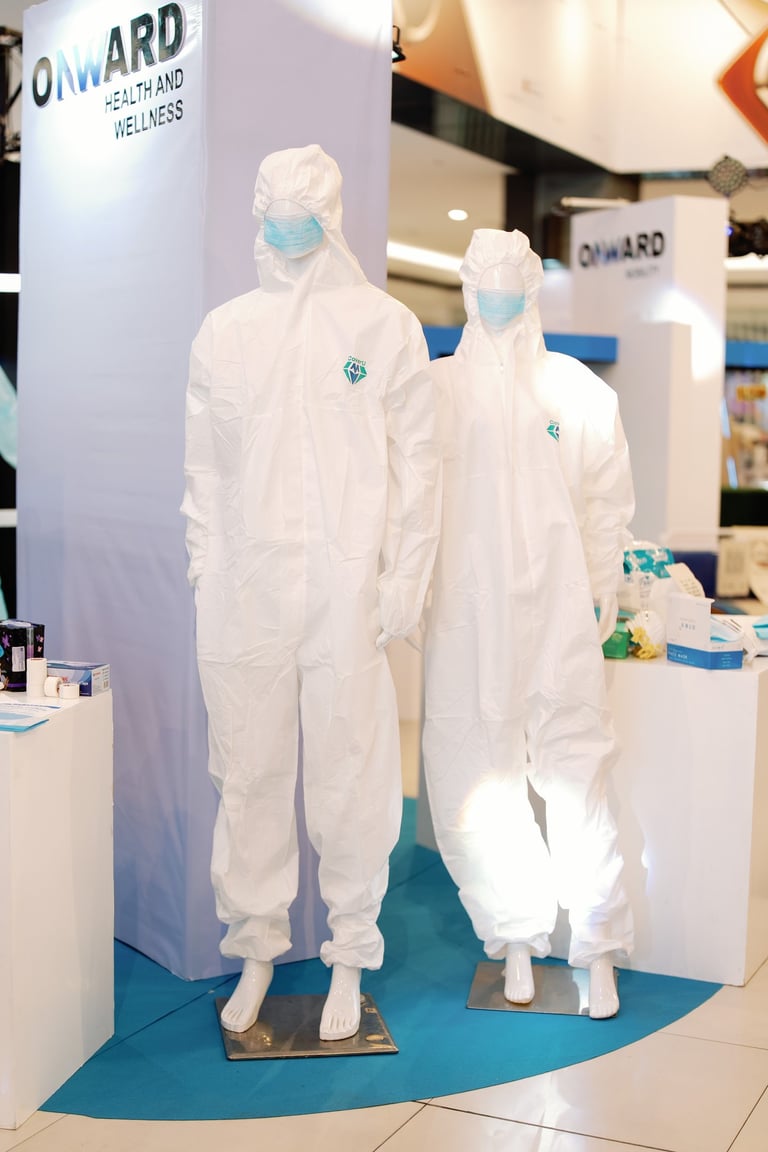
The environmental math favors the switch. Plastics generate greenhouse gases at every stage of their life cycle, from fossil feedstock extraction through production and disposal, according to analysis from the Center for International Environmental Law. Swapping petroleum-based spunbond or meltblown materials for nonwovens made largely from natural textile fibers can cut that footprint and support circular-economy goals like extended producer responsibility and design for reuse.
The Department of Science and Technology–Philippine Textile Research Institute is testing that pivot directly. Its needle-punched nonwovens use more than 75% natural fibers pulled from agricultural leftovers: banana pseudostems, pineapple leaves, bamboo, water hyacinth. Waste that used to just sit in fields is becoming industrial material. The move tracks with a broader pattern across Southeast Asia, where researchers are exploring agricultural-fiber composites for packaging, building materials and automotive interiors.
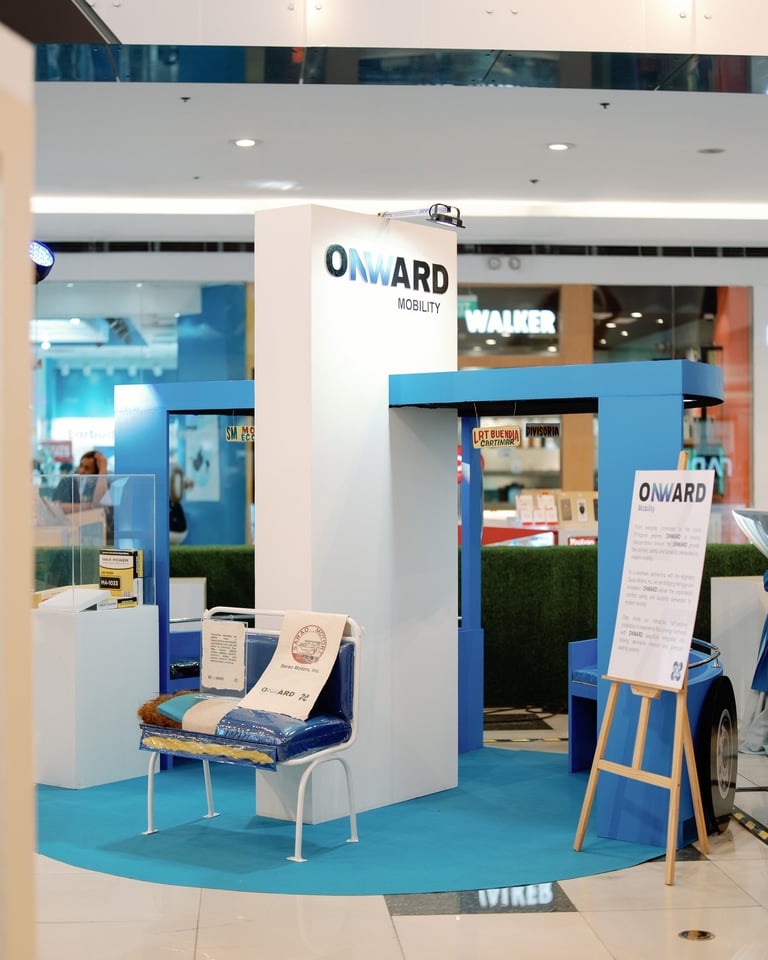
The practical case is just as strong as the environmental one. Nonwovens are fast to produce and don't require heavy capital investment, which suits manufacturing at scale. Drylaid and wetlaid natural-fiber nonwovens can stand in for synthetic materials in mattresses and upholstery, geotextiles for infrastructure projects, insulation for buildings, and headliners and seat linings for vehicles. Local trials already point to real demand: Sarao Motors has tested the material in jeepney interiors, Creative Definitions has built sustainable footwear prototypes with it, and furniture makers Jed Yabut and Junknot have worked it into their designs — each one showing off Filipino materials and craftsmanship in the process.
Getting from pilot to mass production means solving for supply and standards. Manufacturers need dependable fiber supply chains, quality-testing capacity and clear performance and safety standards before this scales. That will take coordination between research institutes, industry and government procurement, along with investment in testing infrastructure like the Philippine Medical Textile Testing Center.
Nonwovens bring together three things that don't often line up: a scalable technology, industries already buying the materials, and local raw materials sitting mostly unused. For the Philippines, this isn't about replacing fashion — it's about proving that farm residue can become a higher-value industrial input, cutting reliance on imported plastic while building a manufacturing base that's both greener and more distributed across rural communities.
Whether that happens depends on whether policymakers and industry treat nonwovens as an industrial strategy rather than a niche experiment.
Image: DOST-PTRI