The La Union beyond the feed
Beyond the surf and sunsets, La Union holds hidden restaurants, farms, and locals worth knowing. A writer's guide to the province's deeper, slower side.
PLACES & SPACES
PJ Valenciano
6/26/20267 min read
"La Union gave me sunsets. Staying gave me something else — a bakery that knew my order, a driver who showed up without explanations, a map drawn entirely by people."
People know La Union through sunsets. Through surfboards balanced on sunburnt shoulders, cafes framed for photographs, and videos carried by the sound of waves folding into shore. It has become a modern escape, a place where people arrive carrying city exhaustion and leave with images of slower mornings, sea air, and the promise of lighter days.
We have grown used to experiencing places through screens, stories, and carefully edited glimpses. Sometimes we arrive already knowing how a place should look before learning how it feels. We save cafes before we know communities. We remember angles before conversations. We collect destinations as evidence that we were there.
There are dimensions of a place that social media was never built to hold.
I understood the postcard version of La Union because I once lived inside it, too. Like many people who first came for a weekend and somehow kept returning, I arrived for the waves, the sunsets, and the dream of a slower life. Barefoot mornings stretched into coffee after the beach, sea air softened the edges of ordinary stress, and life seemed to move with a little more ease beside the ocean. Years later, I realized that staying changes your relationship with a place.
Living somewhere asks different things from you than visiting ever will. A place eventually reveals its routines, storms, histories, economies, and the people carrying it each day long before visitors arrive and long after they leave.
Time changes the way you see a place.
Learning the real map
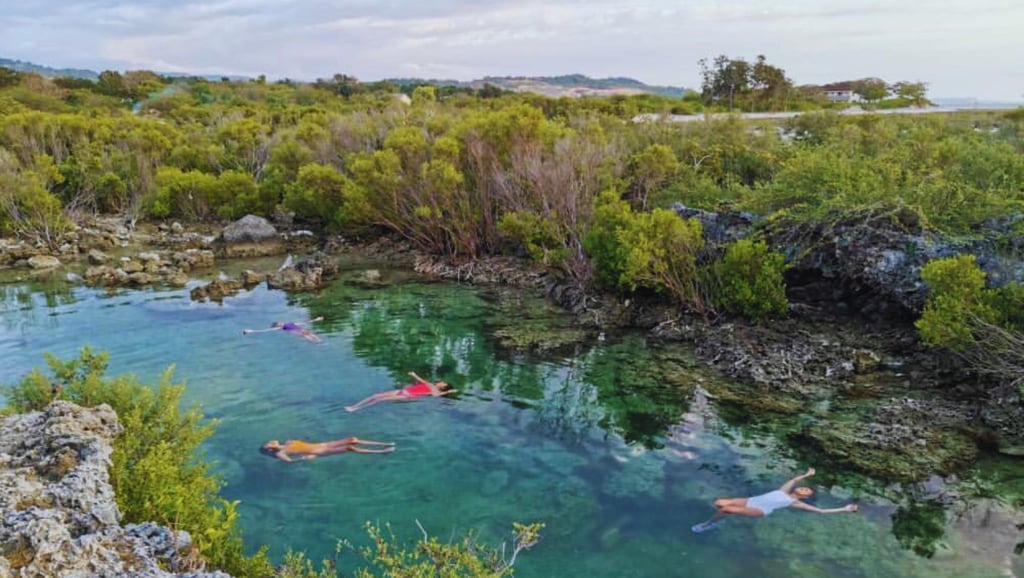
Nature has a beautiful way of reminding us to simply float and enjoy the moment at Immuki Island.
People often give the real map of a place. Sometimes it happens through ordinary moments. Someone would say, "Diyan ka dumaan, mas mabilis." Take this road instead, they tell you — a shortcut beside someone's backyard, a narrow street between old homes, or a road lined with trees that eventually opens into fields, fireflies, or a sudden glimpse of the sea waiting at the end. Years later, those became the roads you remembered because someone trusted you enough to show you where to turn.
Travel often teaches movement: see the place, try the food, take photographs, and continue to the next destination. Living somewhere teaches you something different. Days begin repeating themselves in small ways. You find yourself returning to the same bakery in the morning, buying coffee from familiar places, calling the same driver, and stopping by the same market stalls.
Days repeat often enough that familiar places and people simply become part of everyday life. Then one day, someone remembers your usual order before you ask. Someone waves from across the street. Someone notices you have not been around lately and asks where you have been. Somewhere along the way, a place stops feeling like scenery and starts becoming part of your life.
I came to understand that many of the most meaningful parts of La Union unfolded outside screens and carefully edited glimpses.
La Union always had its beauty. Beauty was easy to see. The rest asked for time.
Places shared with me
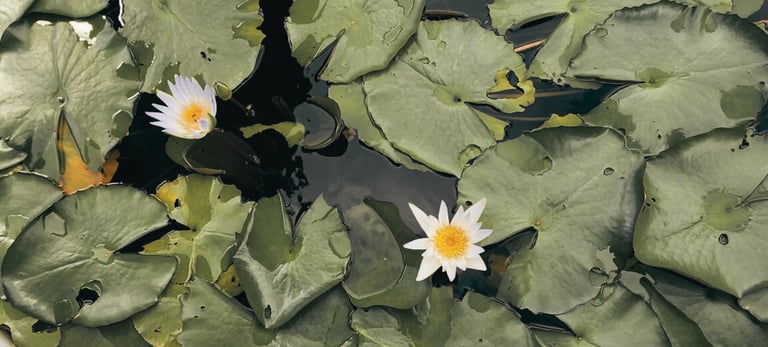
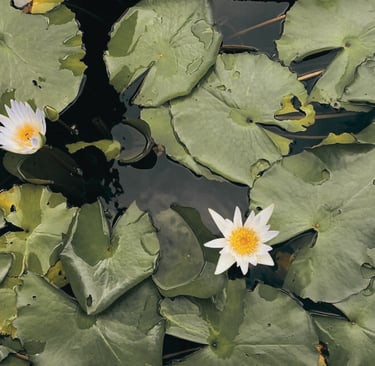
The lotus at Ma-Cho Temple, La Union, reminds us that growth often begins beneath the surface.
Many of the places woven into my years in La Union never came from travel lists. People brought me there. Someone pointed toward a restaurant. Someone mentioned a bakery. Someone said, "Punta tayo dito." Recommendations traveled from one conversation to another until my own map of La Union slowly grew through familiarity and shared suggestions.
Taipan Garden Restaurant in San Fernando City became one of those places naturally folded into everyday life. Meals attach themselves to memory. Places like that host birthdays, conversations, reunions, and long afternoons that become part of a chapter as life goes on around you.
Ma-Cho Temple was already familiar to many visitors, who often came for the views and architecture. I kept returning because of the lotus flowers. I loved standing there and watching the afternoon settle. There was comfort in seeing the same space through different days and different moods.
Bread eventually became part of my own routines, too. Danish Baker carried the comfort of warm mornings, familiar faces, and the ease of walking into a place that slowly became part of the week. Some places stop feeling like destinations and start feeling like a habit — in the best possible way.
People know Seabuds La Union through social media, and I understand why. The place photographs beautifully. What kept bringing me back extended beyond meals and photographs. The owner created a warmth that people felt immediately. Hospitality leaves an impression that lasts far longer than images.
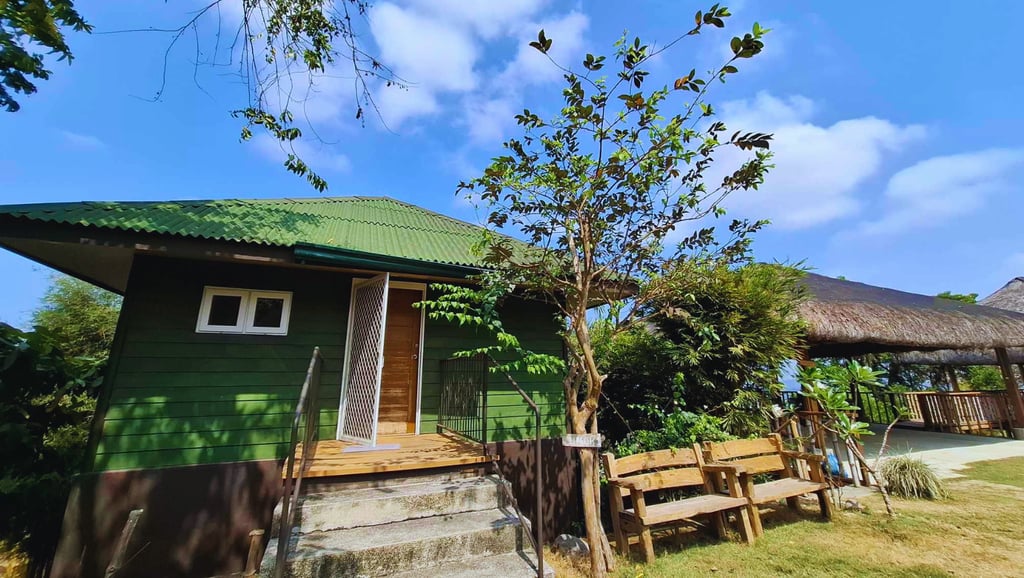
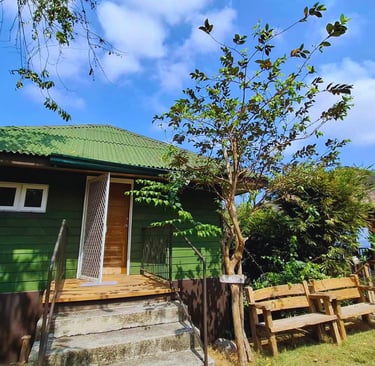
A cozy cottage at Dar Awan Farm is the perfect place to slow down and reconnect with nature.
Dar-Awan Farm in Bacnotan became one of those places attached to memory. I loved the openness of it, the sky, the land, and the feeling of being somewhere that invited you to slow down for a while.
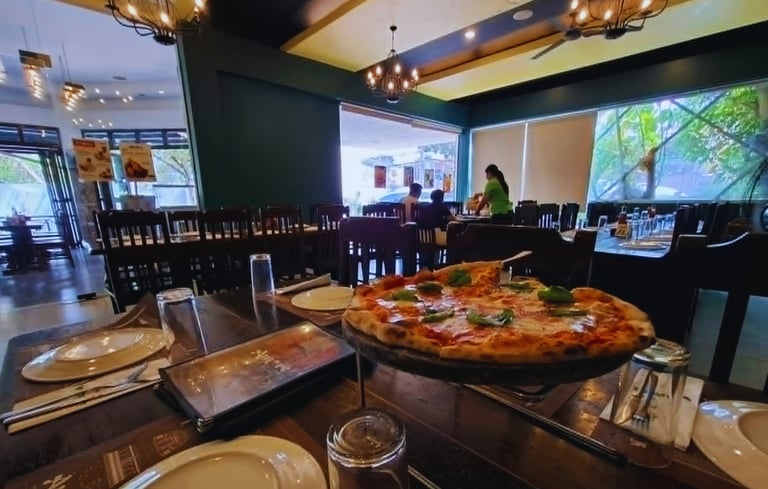
Amare La Cucina became one of my constants through the years. I kept returning partly because of Alessa Diamoy and the staff, who made every visit feel familiar. Places change when people remember you. Restaurants become greetings, routines, and familiar faces waiting before you even settle into your seat.
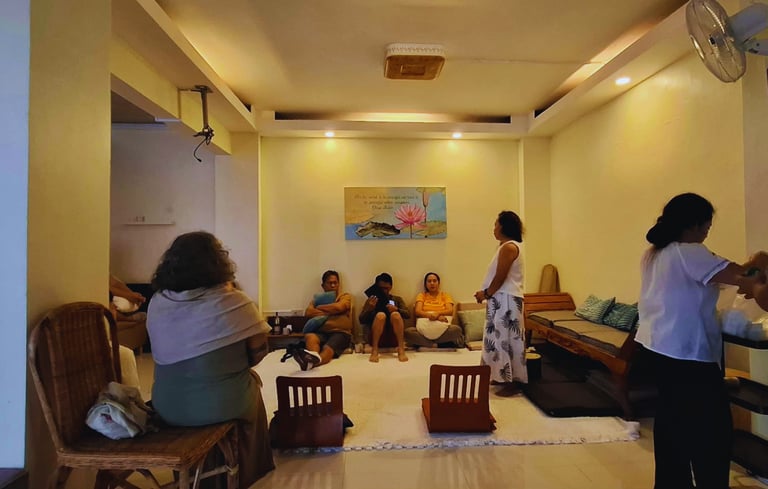
Fresh from the oven and made to be shared at Amare La Cucina, La Union while you step into a space designed for reflection, healing, and inner peace at Self Care by SIFCare (right).
Self-care became part of my own map, too. Through Dixie Palmos from SIFCare, originally from Metro Manila, I encountered another dimension of life in La Union. Their Self-Care Sundays reflected something I often noticed while living there: people intentionally creating room for wellness, conversation, and care within everyday life.
JP Parmasiano, a local artist himself, introduced me to Ciano Umok Gallery Cafe. One recommendation led somewhere unexpected, then another followed. Spaces like these remind us that La Union extends far beyond beaches and surf culture. Creativity, conversation, and community exist there, too.
Years of loving animals also connected me with ClinicoVet Animal House and New Creation Animal Clinic. Veterinary clinics become part of life through concern, relief, and gratitude. They also become connected to the people who stand beside you during emergencies, long nights of worry, and moments when showing up matters most.
The people behind the places
Social media captures spaces easily. People are harder to hold within a photograph.
I remember meeting architect Marlon Niduaza before the pandemic while we were building our shop. Some people become connected to a chapter of your life through shared work, long conversations, and plans slowly turning into physical spaces. Years later, buildings still carry the memory of the people who helped shape them.
Veronica's Lodge also became woven into my years in La Union, from the first building in San Juan to Veronica's Lodge Extension in Dalumpinas Este. I still remember standing on the rooftop before sunrise, watching the sky shift from darkness into blue and then gold. There was something about those early hours that felt different. Morning seemed to unfold slowly there.
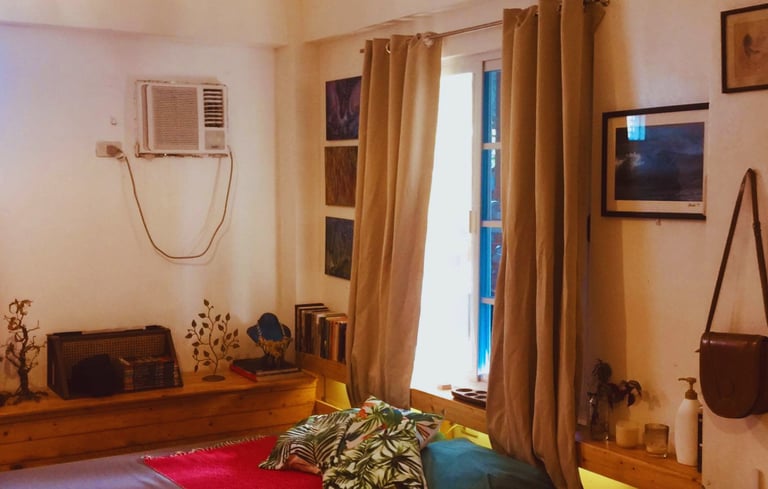
Veronica's Lodge Extension offers a warm and welcoming space to rest, recharge, and feel at home.
Virginia's Farm belonged to another version of La Union — one that much of it had yet to grow into. Watching places change across years creates a different connection. You remember landscapes before expansion, before wider attention, and before new chapters begin unfolding around them.
La Union also reshaped how I understood what people often call luxury. Usually that word conjures beautiful spaces, escapes, and experiences — the version that photographs well and fills travel feeds. I understood that version, too. But years there revealed another definition altogether. It looked like a veterinarian answering during difficult days, a tindera saving the freshest seafood because she knew you would return, and a kuya driver showing up after one call without needing explanations.
Somewhere along the way, richness began looking less like access and more like familiarity. A place becomes different once people start expecting your return.
Beyond the feed
Tourism often teaches us to ask where to go, where to eat, where to stay, and what to photograph. Social media simply made that instinct move faster. Saved posts, itineraries, and carefully chosen images can shape expectations long before people set foot in a place.
There is nothing wrong with that. Beautiful places deserve attention. Local businesses deserve support. People invest years of effort into building spaces that welcome others.
Still, many of the experiences that give a place its texture exist beyond curated lists and photographs. They begin when someone points you toward a road you would have missed on your own, when a conversation stretches longer than expected, when a bakery becomes part of your mornings, or when a familiar face already knows your usual order before you ask.
People come to La Union for sunsets, and I understand why. I did too. Somewhere between familiar roads, remembered names, and ordinary routines, a place that once felt like an escape slowly became something else entirely.
There are dimensions of a place that social media was never built to hold.
La Union was always larger than its feed.
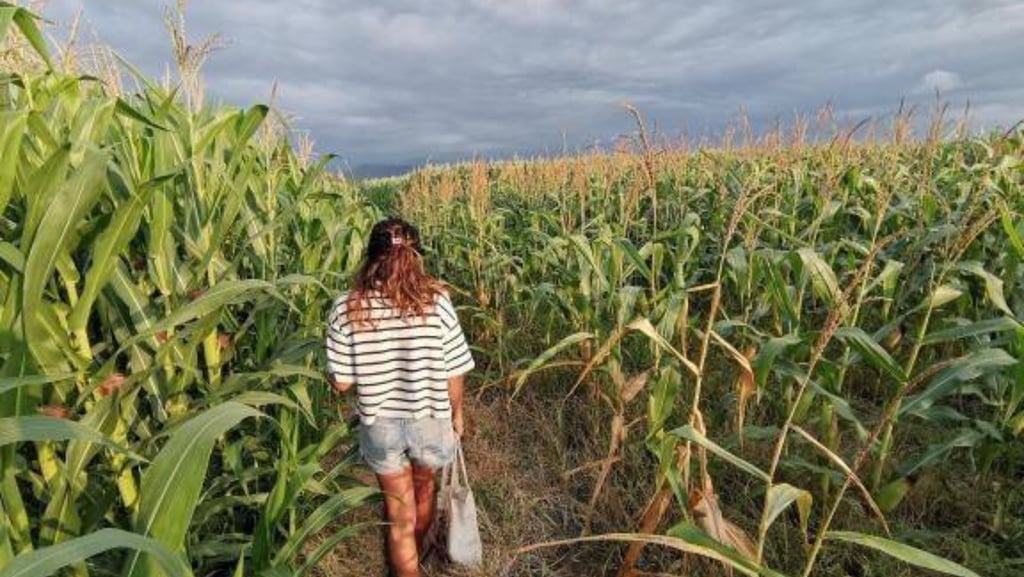
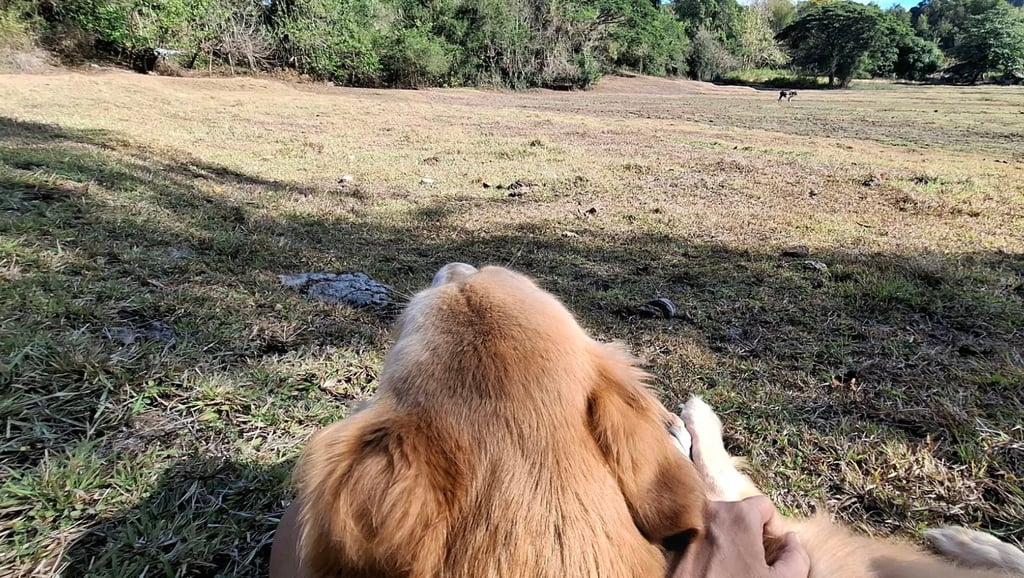
Maxine's favorite moments are found in the open fields of Dalumpinas Este, San Fernando City, La Union.